


Ingredients that target signs of aging, skin texture, or hyperpigmentation need to get past the top layers of the epidermis to have any effect on the skin. But there are a few things that regularly get in the way. What are those impediments? Why do they matter? How do you get past them? Let’s get absorbed in the topic of absorption.
Table of content
Factor: Dead Skin Cells
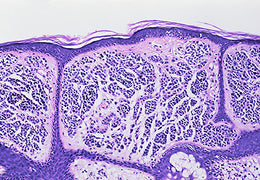
As skin cells mature, they rise to the surface becoming flatter and drier until they reach the epidermis where they form the protective layer known as the stratum corneum. This outer layer of dead skin cells is bound together by a sort of cellular glue, which acts as a literal wall to skin care ingredients keeping them from performing optimally. Eliminating cellular buildup is not just the key to keeping the skin surface looking vibrant and healthy; it’s the key to ingredient absorption.
Fix: Exfoliation
Removing debris and dead skin cells clears the way for actives and optimizes product performance. A scrub is an excellent way to loosen up the dry, dull layer of skin blocking your ingredients. Vivant’s Buffing Grains can be added to any cleanser to create an exfoliating boost. If you’re targeting acne, try BP 3% Exfoliating Cleanser. For sensitive blemish-prone skin, discoloration issues, or signs of aging Mandelic Acid 3-In-1 Exfoliating Cleanser is the trifecta.
Use a toner daily to help sweep away the accumulation of cellular debris. Look for a formula that contains acids, which dissolve the cellular glue to slough away dead skin.
Mandelic acid is a gentle exfoliating acid, making it a great option for sensitive skin and for those concerned with the appearance of uneven tone.
Glycolic acid is known for its fast-acting exfoliating properties, helping to refine the look of texture and enhance radiance.
Lactic acid is a mild exfoliator that also helps support hydration, leaving skin feeling softer and smoother.
Salicylic acid helps exfoliate within the pore lining, improving the look of congestion and promoting clearer-looking skin.
See Vivant’s toner collection here.
Factor: Molecular Size
Your skin functions as a protective barrier, helping to defend against environmental stressors like pollutants and irritants while maintaining essential moisture. Because of this barrier, not all skincare ingredients are able to effectively interact with the skin’s surface in a meaningful way.
Retinoids (Vitamin A derivatives) are well-known for their ability to improve the appearance of skin over time. Before they become fully active, they undergo a series of conversions within the skin. Once in their active form, they help support skin renewal, improving the look of texture, tone, and overall clarity.
However, not all forms of Vitamin A are equally efficient. Some require multiple conversion steps, which can impact how effectively they deliver visible results.
Fix: Science
Dr. Fulton helped develop Retin-A® and later used his knowledge to create Vivant’s patented REt (RP) Retinyl Propionate, which has the smallest molecular structure of the non-prescription retinols allowing to reach its cellular destination and effect change in the skin.
Factor: Occlusive Formulation
Rich lotions and moisturizers that claim to target problem areas with specific ingredients are often so heavy with lipid molecules that they occlude the skin and leave active ingredients sitting on the surface of the skin.
Fix: Serums
A well-formulated serum can be hydrating and highly supportive of a healthy skin barrier without loading skin down with heavy ingredients. Thinner, lighter, fluid formulations of highly concentrated actives have nothing to get in the way of actives. Additionally, one of the most crucial benefits of a serum is enhancing and accelerating cell turnover, which brings us back to the stratum corneum. Serums are yet another way to avoid cellular buildup. Serums are formulated to target specific skin issues including acne, signs of aging, and uneven tone.
Bottom line: if the critical active ingredients in your skin care can’t get to into the lower levels of the skin, they can’t do the job of improving skin tone and texture. Use the fixes above to optimize your product performance and achieve your best results.


Comments
I love all of your blogs ! They are extremely educational and Super helpful when deciding on products best for our clients ! Thank you for this!
Thank you so much for your wealth of information on your skin products. It truly helps me to choose to what is best for my skin. I love that you state also what the ingredients do for your skin. Excellent educating post to read!