


Dry brushing is one of those trends that pops up at regular intervals, promising a range of astonishing benefits and inspiring devotion among celebs and hardcore holistics. It’s been around for centuries as a beauty and wellness practice, but is it really the cure-all, glow-intensifier it’s claimed to be? If you’ve wondered what dry brushing is and why everyone keeps telling you to do it, here’s everything you need to know about this ancient ritual of abrasion.
Table of contents
What is dry brushing?
A typical three- to four-minute dry brush session consists of rubbing a soft, but firm, dry brush over your body in vigorous circular motions (starting at the feet and moving upward, always toward the heart). For many proponents, dry brushing is a daily practice.
What is the purpose of dry brushing?
The purported benefits of dry brushing are many. It’s said to detoxify the body, stimulate the lymphatic and nervous systems, increase circulation, exfoliate dull, dead skin, eliminate cellulite, improve digestion, strengthen the immune system, and increase your electromagnetic energy.
If you’ve already shelled out $50 for your dry brush kit, we apologize in advance for the news we’re about to deliver. With the exception of the exfoliating and increased circulation, there’s little to no evidence that dry brushing does any of the magical things ascribed to it.
Rubbing your skin with a bristly brush will temporarily rev up blood flow, which is not a bad thing. Increased blood flow means more nutrients to skin cells. And, like a light massage, the pressure and motion of dry brushing may have some positive effect on the lymphatic system. But if you are using enough force to really stimulate the lymphatic system, you are likely creating irritation.
Banishing cellulite? If only. Cellulite is caused by fat deposits pressing against connective fibers under the skin to create a dimpled appearance. If a difference is noted after dry brushing, it is just a temporary realignment and shifting of the fat deposits, not a reduction.
We’re not going to weigh in on your electromagnetic field.
The best part about dry brushing is the exfoliation. Unfortunately, the worst part of dry brushing is also the exfoliation. While we one hundred percent endorse exfoliation for clearing cellular debris and encouraging cell renewal—it’s critical for healthy, smooth skin—there are better ways to do it. The dry brushing method causes friction that can compromise the skin’s protective barrier leading to dryness, inflammation, redness, and irritation. It can also cause micro-cuts, which can leave skin vulnerable. And if you have body acne or keratosis pilaris, you can count on further inflaming those conditions.
One Redditor summed her experience like this: “Last week, I decided to take up dry brushing. On Sunday night, I noticed my arms itching and saw a wild-looking keratosis pilaris rash all up and down my upper arms that extended some down my forearms but looked milder past my elbows. On further inspection, the rash also goes up around my shoulders and upper back where I had been brushing.”
What about facial dry brushing?
Lately the trend has moved north, and now plenty of people are dry brushing their faces—and this is where we'd gently encourage you to put the brush down. Facial skin is far thinner and more delicate than the skin on your body, so those stiff bristles can create tiny abrasions and disrupt the barrier that keeps your complexion calm. A reused brush is also a perfect place for bacteria to collect, and sweeping it across your face moves oil and bacteria from one area to another, For blemish-prone skin, that's a fast track to a more congested complexion.
What should you do instead?
An exfoliating body scrub is a much more effective and non-irritating way to give your skin an exfoliating polish, and at the same time, get some hydration and additional benefits from ingredients like antioxidants, brighteners, acids, or acne fighters.
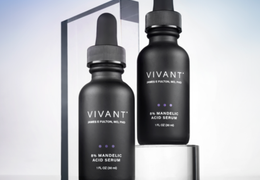
Mandelic Acid 3-in-1 Exfoliating Cleanser is our favorite scrub for a bright, smoother-looking complexion without drying or irritating. It’s the perfect hybrid of exfoliating muscle and restraint. Bio-degradable, luxfoliating microbeads clear cellular debris and stimulate cell turnover. Plus, mandelic acid does the quiet work of refining the look of rough, uneven texture and dissolving the dulling surface buildup that leaves skin looking flat and tired. The result is a complexion that reads clearer, calmer, smoother, and more even—an especially smart pick for blemish-prone or rough, bumpy-looking skin.
Because of its larger molecular structure, mandelic acid is absorbed more slowly by the skin making it less likely to irritate the way some alpha hydroxy acids can. If you have issues with the look of irregular pigmentation or dark spots, mandelic acid will help brighten their appearance as well. It has brightening properties to promote a consistent, even-looking tone.
Smooth rough patches like elbows, knees, and heels with Vivant’s Clear Body Therapy a potent lotion formula you can apply to the body. The lactic acid and REt (RP)™ Retinoid cream helps loosen the bonds between dead skin cells to slough away dull, flaky buildup and reveal softer, smoother-looking skin. It's also a great choice for blemish-prone or rough, bumpy-looking body skin.
To reap some of the non-exfoliating benefits attributed to dry brushing, your money is probably better spent on a relaxing massage and some herbal tea.



Comments