


Pseudofolliculitis barbae (PFB). It's the long way to say "razor bumps" and the short way to say "painful, chronic inflammatory condition caused by shaving or plucking coarse hairs on the face or body." Whatever the name, we're pretty sure you'd most like to call it "gone." Read on for your guide to what causes razor bumps, how to shave to help avoid them, and how to care for skin afterward.
Table of contents
What Causes Pseudofolliculitis Barbae?
This chronic inflammatory condition is caused by shaving or plucking coarse hairs on the face or body. Shaving stretches the hair beyond the follicle and then creates a sharp edge on the hair. The hair snaps back beneath the surface of the skin and gets trapped.
Is Pseudofolliculitis Barbae the Same as Ingrown Hairs?
Not exactly the same thing. Both can present the same way, creating painful, tender bumps on the skin. But, as the name implies, PFB goes a step further. In PFB, the trapped hair grows downward and escapes the follicle, emerging through the dermis in what's known as extra-follicular penetration. This "follicle simulation" is where we get the term "pseudofolliculitis," and it's what distinguishes PFB from an ingrown hair.
When extra-follicular penetration occurs, the skin treats the hair as a foreign body and mounts an inflammatory response, leading to pustules, post-inflammatory hyperpigmentation, and sometimes keloid scars.
PFB is more common in Black skin because the hair follicle is curved. It can affect both men and women, but because it's the result of shaving or hair removal, it's mostly seen in men on the face and neck. However, bikini lines and underarms are also fair game.
What to do About Pseudofolliculitis Barbae
First, stop shaving or plucking. Wait until razor bumps have resolved before going back to shaving or engaging in further hair removal at the site.
Skincare after the fact should focus on gentle exfoliation to help keep follicles looking clear, along with ingredients that comfort the feel of the skin and support a more even-looking tone.
Our favorite ingredient for post-shave care, especially for Black skin? Mandelic acid. First, it's among the gentlest of the AHAs due to a larger molecular structure that slows its absorption and limits irritation. Second, it's a multi-tasker: it micro-exfoliates, helps keep the look of follicles clear, and supports a brighter, more even-looking tone.
We recommend a complete mandelic acid regimen as part of your post-shave routine.
Start with Mandelic Acid 3-in-1 Exfoliating Cleanser to help lift away surface debris, keep the look of follicles clear, and support an even-looking tone.
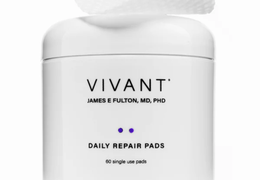
Follow with Daily Repair Pads, textured single-use pads steeped in a blend of mandelic acid, salicylic acid, niacinamide, and zinc to help keep pores looking clear, comfort the feel of the skin, and support smoother-looking texture and brighter tone.
The core of your regimen is our 8% Mandelic Acid Serum. It resurfaces gently and supports a clearer, brighter, more even-looking complexion over time.
For added comfort and hydration, try Allantoin, a lightweight calmer that moisturizes without a hint of greasiness. Our Totaloe is also a great choice — an oil-free, aloe-based formula that comforts the feel of the skin and supports a brighter-looking tone.
PFB Avoidance Strategy
Pregame your shave by applying a warm compress on the face for several minutes before shaving. The warm water will create a swelling effect, making the hair stand more upright.
Use a low-angle single blade or an electric razor. Avoid multi-blade systems that pull the hair out farther for a super close shave.
Don't stretch the skin and always shave in the direction of hair growth rather than against the grain.
If using a razor, don't dry shave because it can make for a sharp, beveled cut that encourages PFB. Vivant's Mandelic Acid 3-In-1 Wash or Green Tea Cleanser double as shaving gels and contain ingredients to enhance even tone and cellular repair.


Comments